
Eating Well as You Age: Expert Nutritionist Advice
Discover the essential principles of nutrition for aging adults. Learn how proper eating habits can support vitality, bone health, cognitive function, and overall well-being through each stage of your life.
The information on this site is for educational purposes only and does not constitute medical advice. Always consult a qualified healthcare professional before making health decisions.
Why Nutrition Matters More as We Age
Heart Health
Proper nutrition supports cardiovascular function and helps maintain healthy cholesterol and blood pressure levels naturally.
Bone Strength
Calcium, magnesium, and vitamin D from whole foods preserve bone density and support structural integrity throughout aging.
Cognitive Function
Antioxidant-rich foods and omega-3 fatty acids nourish brain cells and support memory, focus, and mental clarity.
Energy & Vitality
Balanced meals with quality proteins and complex carbohydrates maintain steady energy levels and muscle mass.
Essential Nutrients and Food Groups
Protein for Muscle Health
Adequate protein intake supports muscle maintenance and strength. Include lean meats, fish, eggs, legumes, nuts, and dairy products in daily meals. Aim for protein at each meal to preserve muscle mass and support recovery.
- Fish and seafood for omega-3s
- Plant-based proteins and legumes
- Greek yogurt and low-fat dairy
Vitamins & Minerals
Micronutrients are vital for bone health, immune function, and energy production. Calcium, vitamin D, vitamin B12, and magnesium become increasingly important with age. Seek these nutrients from whole food sources.
- Fortified dairy and leafy greens
- Sunlight exposure for vitamin D
- Nuts, seeds, and whole grains
Fiber & Whole Grains
Dietary fiber supports digestive health, maintains stable blood sugar, and promotes satiety. Whole grains, vegetables, fruits, and legumes are excellent sources that keep your digestive system functioning optimally.
- Oats, brown rice, and whole wheat
- Colorful vegetables and berries
- Beans, lentils, and chickpeas
Hydration
Thirst sensation decreases with age, making intentional hydration essential. Water supports kidney function, nutrient transport, and joint lubrication. Include herbal teas and hydrating foods in your daily routine.
- Water as primary beverage
- Herbal and green teas
- Water-rich fruits and vegetables
Antioxidants
Colorful plant foods contain antioxidants that protect cells from oxidative damage. These compounds support brain health, eye function, and overall cellular well-being. Variety in colors ensures diverse nutrient intake.
- Berries, dark leafy greens
- Tomatoes and red bell peppers
- Green and black tea
Healthy Fats
Unsaturated fats from plant and fish sources support heart and brain health. These fats aid absorption of fat-soluble vitamins and provide sustained energy. Include them in moderation at each meal.
- Olive oil and avocados
- Fatty fish like salmon
- Walnuts, almonds, and seeds
Key Nutrition Principles for Aging Well
Simple Guidelines to Follow
Eating well as you age doesn't require complex meal plans or exotic ingredients. Focus on these straightforward principles to support your health and well-being through nutritious, wholesome foods.
Eat the Rainbow Daily
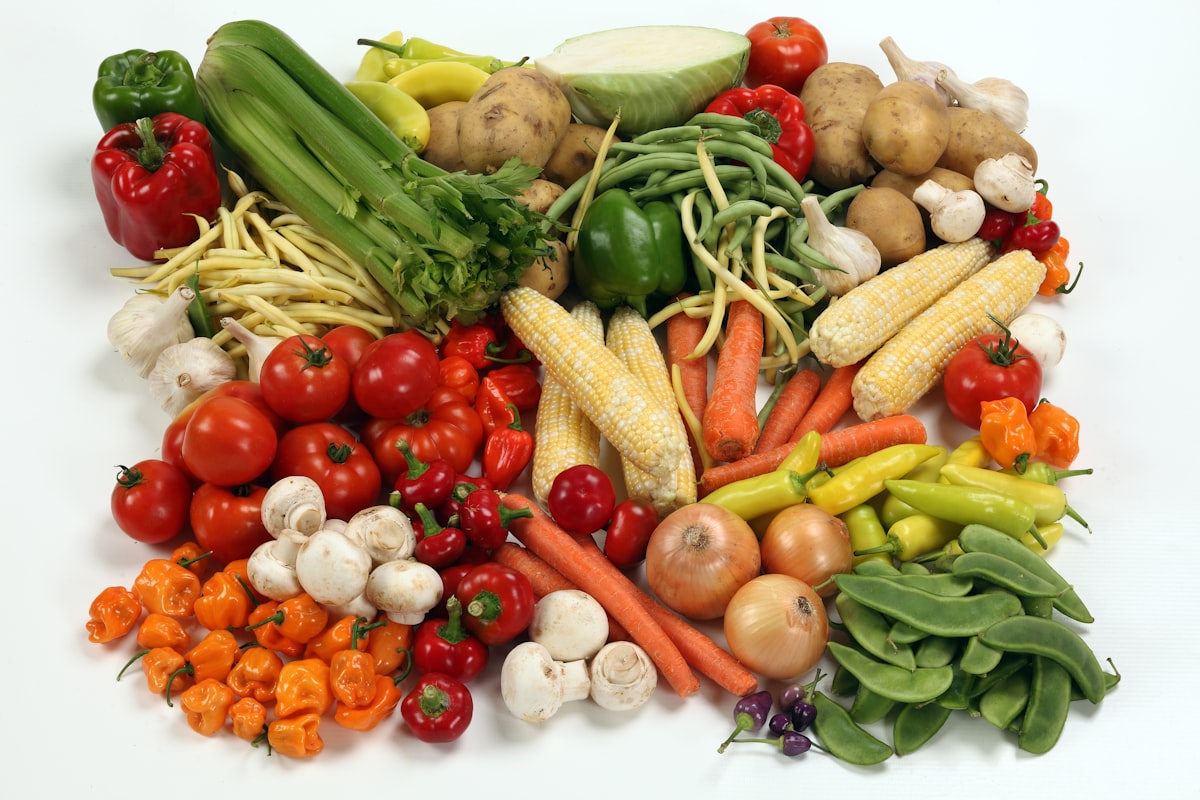
Different colored foods contain different nutrients. Include red, orange, yellow, green, blue, and purple foods to ensure you're getting a broad spectrum of vitamins, minerals, and phytonutrients.
Choose Whole Foods Over Processed
Whole foods like fresh fruits, vegetables, grains, legumes, and lean proteins retain their natural nutrients and fiber. Avoid ultra-processed foods high in sodium, sugar, and unhealthy fats.
Practice Portion Control
Calorie needs may decrease with age, but nutrient density should increase. Use smaller plates, measure portions initially, and listen to hunger and fullness cues to maintain healthy weight.
Establish Consistent Meal Timing
Regular meal times help regulate appetite and energy levels. Include protein and healthy carbohydrates at each meal to maintain steady blood sugar and mental clarity throughout the day.
Beyond Food: Lifestyle Factors That Support Nutrition

Creating a Holistic Wellness Environment
Nutrition works best when combined with other healthy lifestyle practices. Sleep quality, stress management, physical activity, and social engagement all influence how your body processes and uses nutrients.
Quality Sleep
Sleep supports hormone regulation, immune function, and metabolic health. Aim for 7-8 hours nightly. Avoid late-evening caffeine and heavy meals to improve sleep quality.
Regular Movement
Physical activity preserves muscle mass, supports bone health, and improves digestion. Even gentle daily movement like walking benefits overall wellness and nutrient absorption.
Stress Management
Chronic stress impairs digestion and nutrient absorption. Practice relaxation techniques like meditation, deep breathing, or gentle yoga to support both mental and digestive health.
Social Connection
Eating with others encourages mindful eating, improves mood, and supports overall wellness. Regular social meals make nutrition more enjoyable and sustainable.
Common Questions About Senior Nutrition
Calorie needs decrease slightly with age due to reduced metabolism and activity, but individual needs vary. Rather than counting calories, focus on nutrient density. Include protein at each meal, whole grains, plenty of vegetables, and healthy fats. Consult with a nutrition professional to determine your specific needs based on activity level, health status, and goals.
It is never too late to make positive dietary changes. Even small improvements in eating habits can lead to meaningful health benefits at any age. Start with simple changes like adding an extra vegetable, drinking more water, or including protein at meals. Gradual changes are often easier to maintain than dramatic overhauls. Every positive step supports your long-term wellness.
Texture-modified foods can be equally nutritious. Soft foods like cooked vegetables, scrambled eggs, yogurt, soups, smoothies, and ground meats provide excellent nutrition. Blended fruits, soft grains, and creamy legumes are nutritious and easier to consume. Proper hydration remains important. Consult nutrition resources or professionals for specific guidance on adapting recipes to your needs.
Adequate protein intake combined with regular physical activity is essential for muscle maintenance. Aim for protein at each meal from sources like fish, poultry, eggs, dairy, legumes, and nuts. Include resistance exercise or strength training several times weekly if possible. Even gentle activities like walking and stretching support muscle health. Proper hydration and adequate calories from nutrient-dense foods also support muscle preservation.
Yes, proper nutrition significantly supports bone and joint health. Calcium, vitamin D, magnesium, and protein are critical nutrients. Include dairy products, leafy greens, fortified plant-based milks, fatty fish, nuts, seeds, and whole grains. Anti-inflammatory foods like berries, fatty fish, and olive oil may support joint comfort. Regular weight-bearing activity complements nutritional support. Adequate hydration keeps joints lubricated and supports overall health.
Meal preparation becomes easier with planning and simple strategies. Batch cook grains, legumes, and proteins on weekends for quick assembly throughout the week. Keep frozen vegetables and fruits on hand—they're nutrient-dense and convenient. Use slow cookers or sheet pan cooking for minimal effort. Prepare simple salads with pre-cut vegetables. Stock pantry staples like canned beans, nuts, and olive oil for quick, nutritious meals. Simple eating is often the most sustainable approach.
What Readers Are Saying
"This blog has completely transformed how I approach nutrition. The practical tips and science-backed advice make healthy eating feel achievable, not overwhelming."
- Sarah M.
Nutrition Enthusiast
"I've tried countless nutrition programs, but Silvernutritionpath's straightforward approach actually sticks. The meal prep guides alone have saved me hours each week."
- James T.
Busy Professional
"Finally, nutrition advice that doesn't require a degree to understand. Clear, actionable, and backed by real science. Highly recommend!"
- Emma R.
Health Coach
Frequently Asked Questions
Ready to Transform Your Nutrition?
Join thousands who've discovered practical, science-backed nutrition strategies that work.
Silvernutritionpath
Your guide to practical, science-backed nutrition advice for real life.
Resources
© 2024 Silvernutritionpath – IČO: 34850992. All rights reserved. | Privacy Policy | Terms of Service